Max Payne Revisited: Why Fans Criticize the Sequel – And Is It Really Deserved?
🧱 “They Were All Dead…” — A Legacy Begins
Few lines in gaming are as iconic as:
“They were all dead. The final gunshot was an exclamation mark to everything that had led to this point.”
Spoken in the gravelly voice of James McCaffrey, this was the opening of Max Payne (2001) — the game that redefined action storytelling. Developed by the Finnish studio Remedy Entertainment, it combined innovative gameplay with an unmistakable noir style. Slow motion ("bullet time") was used for the first time in an interactive experience, bullets had real-world physics, and instead of traditional cutscenes, the story was told through haunting graphic novel panels.
Max Payne didn’t just entertain — it immersed. A dark, tragic revenge tale wrapped in cynical poetry and comic book aesthetics.
🔄 From Snow to Rain: Why the Sequel Divided the Fans
Just two years later, in 2003, Max Payne 2: The Fall of Max Payne hit the shelves. Despite gameplay improvements, fans had mixed feelings. The visuals were more refined, the gunplay smoother, and the physics far superior — yet something felt… different.
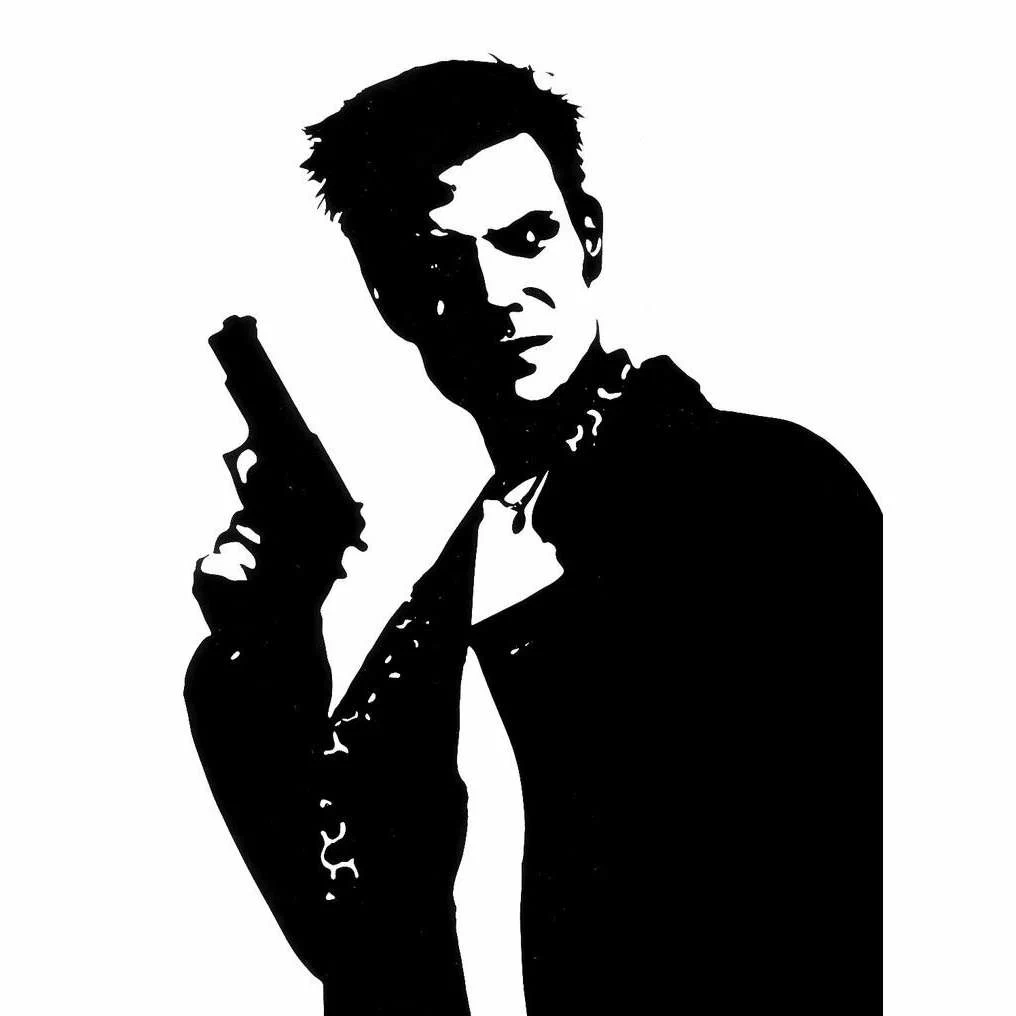
The noir atmosphere remained, but it had changed form. Snow was replaced by rain. The iconic face of Max (modeled after writer Sam Lake) was replaced with a more fitting but unfamiliar visage. The story was shorter, tighter, and less epic. And most jarringly — Max had changed.
😔 The Evolution — Or Loss — of a Hero
In the original, Max was a noir action hero: sardonic, sharp, and sarcastic even in the face of death. His monologues were filled with metaphor, dark humor, and irony. Think John McClane meets a broken poet.
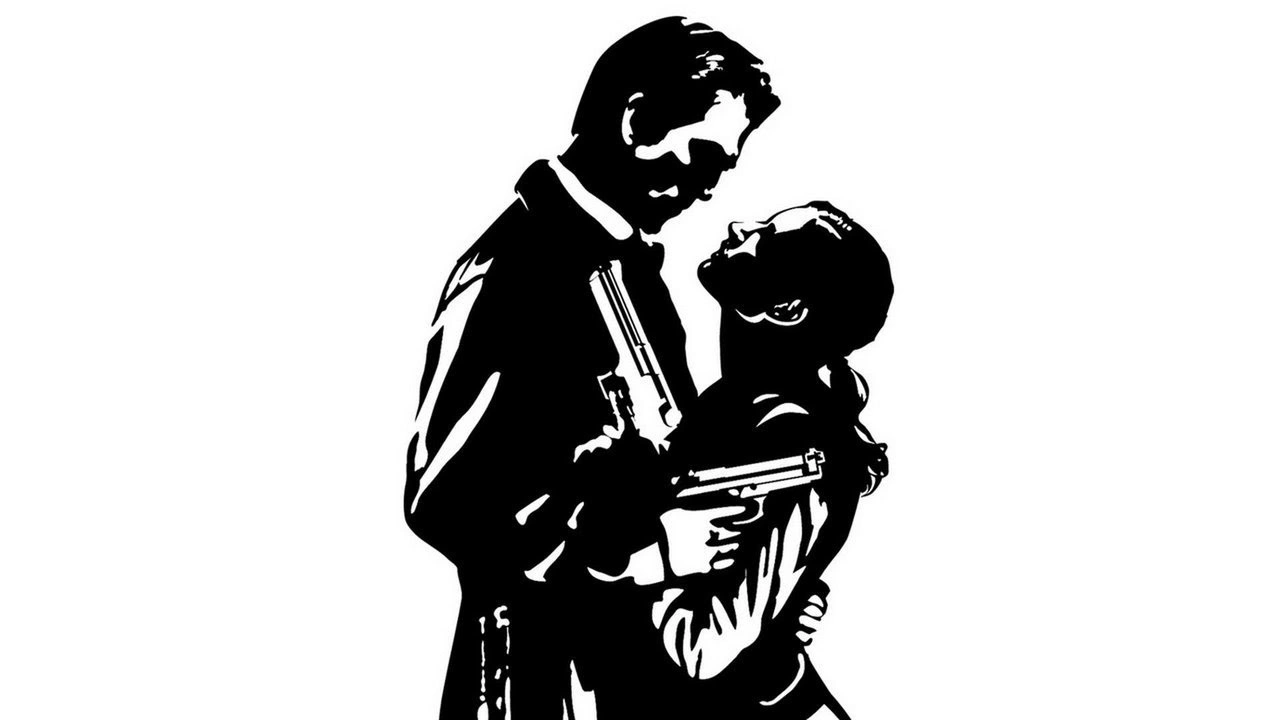
In Max Payne 2, that voice is nearly gone. Max now exists in a constant state of regret and melancholy. He doubts himself, broods in silence, and rarely smiles. The witty remarks are scarce. The metaphors — once vibrant — feel muted.
For some fans, this emotional transformation was mature storytelling. For others, it was like following a stranger who wore the name "Max Payne" but didn’t feel the same.
🧩 The Shrinking Scope
Max Payne began with a cliché — a man seeking revenge for his murdered family. But as the story progressed, it unraveled into a wild conspiracy involving secret military experiments and hidden laboratories beneath New York. It was big, bold, and pulpy in the best way.
In contrast, Max Payne 2 pulled everything inward. The sequel focused on a contained mob war. No underground labs, no super-soldiers. Just betrayal, obsession, and bloodshed. Some praised its intimacy. Others saw it as a downgrade — an “anti-sequel” that chose subtlety over spectacle.
🦹 Vlad vs Valkyr: Stronger Villain, Smarter Ending
Illustration Prompt: Charismatic Russian mobster Vladimir Lem in a velvet suit, raising a glass of wine; background fades into fire.
If there’s one place where Max Payne 2 undeniably shines, it’s in its antagonist. While the original climaxed with a cold corporate villain (played by Sam Lake’s own mother), the sequel gave us the unforgettable Vladimir Lem. Elegant, manipulative, and entertaining, Vlad is the perfect foil for the broken Max. His arc adds weight and urgency to every scene.
Likewise, while the original ended in comic-book absurdity — with secret experiments and government cover-ups — the sequel concludes with a grounded, emotional finale. It’s smaller in scope, but stronger in resonance.
Close