Georgian Hats: History Woven in Wool and Tradition
Hats in Georgia are more than a way to keep warm—they are a piece of identity, carrying the spirit of the mountains, the traditions of the past, and the pride of a people who have always stood tall. Whether worn by shepherds guarding their flocks or warriors defending their homeland, the Georgian hat has remained a symbol of resilience and culture through centuries.
The Papakhi – The Warrior’s Crown
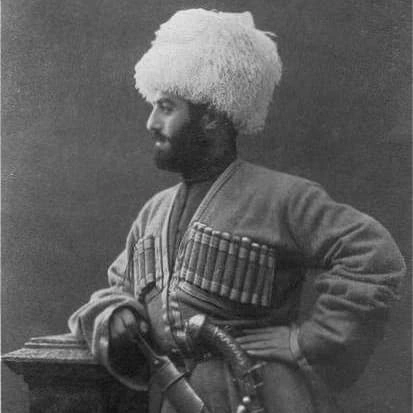
The most iconic Georgian hat is the papakhi—a tall, woolen hat traditionally worn by men in the Caucasus. Made of sheepskin or karakul, it was not only practical protection against the cold mountain winds but also a mark of dignity and masculinity. To lose one’s papakhi in battle was seen as dishonor, while to wear it with pride symbolized strength and honor.
Kings, nobles, and warriors often wore papakhi with chokha (the traditional Georgian coat), creating the image of a Georgian man that is still deeply respected today. Even now, in remote mountain regions, one can spot elders proudly wearing their papakhi, embodying a living connection to their ancestors.
The Kartuli Kudi – Everyday Elegance
Besides the papakhi, Georgians had simpler woolen caps (kudi), worn in the fields or during daily life. These hats were hand-spun and often decorated with small embroidery, reflecting both practicality and artistry. Each region had slight variations—mountain hats were thicker, while valley versions were lighter and suited for farmwork.
Symbol of Respect and Identity
In Georgian tradition, hats held symbolic meaning. To place a hat on someone’s head was a sign of respect and blessing. In some regions, men removed their hats only in sacred spaces or during solemn moments, reinforcing the idea that the hat was almost an extension of personal honor.
From Past to Present
Today, Georgian hats remain a popular souvenir for visitors and a cherished part of national dress during festivals and performances. They appear in folk dances, traditional weddings, and historical reenactments, reminding everyone of Georgia’s resilience and elegance.
And as Tbilisi prepares to welcome Junior Eurovision 2025, the symbolism of Georgian traditions—including its famous hats—will play an important role. Just like the papakhi once protected warriors against the cold winds of the Caucasus, Georgia’s culture continues to stand proudly in the modern world, carrying history into a future filled with music, dance, and unity.
Close