December 7: a Day of Memory, Mourning and Hope
Human history is marked by dates that must never be forgotten. December 7 is one of them. This day entered the calendar not only as a tragic page of World War II, but also as a celebration dedicated to the future.
⚔️ Pearl Harbor: the Strike that Changed History
The morning of December 7, 1941, became fateful for the United States and the entire world. The naval base at Pearl Harbor in Hawaii was suddenly attacked by Japanese aircraft. Within hours, ships were sunk, dozens of planes destroyed, and more than two thousand lives lost.
The attack shocked the United States and the international community. President Franklin D. Roosevelt called it “a date which will live in infamy.” The very next day, the U.S. officially entered World War II.
Since then, December 7 has been observed in the U.S. as National Pearl Harbor Remembrance Day — a day of mourning for the victims and a reminder of the cost of peace. It teaches future generations that freedom and security are never guaranteed — they must be protected.
✈️ Looking to the Skies: International Civil Aviation Day
But this date also holds another meaning. In 1994, the United Nations and the International Civil Aviation Organization proclaimed December 7 as International Civil Aviation Day.
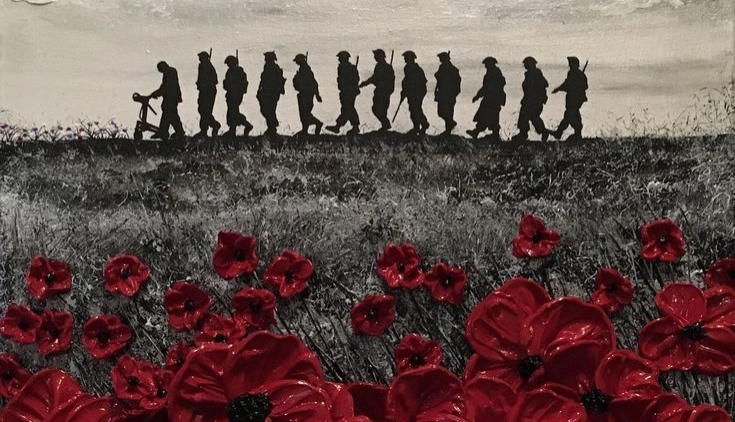
It is a day to reflect on how aviation has transformed our world. Where the skies once symbolized war, today they symbolize unity. Airplanes connect countries and cultures, bring families together, and help economies grow.
For pilots, engineers, air traffic controllers, and all those who work in aviation, it is a professional holiday. For millions of passengers, it is a reminder that the world is closer than ever before.
⚖️ The Symbolism of December 7
December 7 is therefore a day of contrasts. It carries the memory of destruction and loss, yet also embodies progress, creativity, and humanity’s desire to connect.
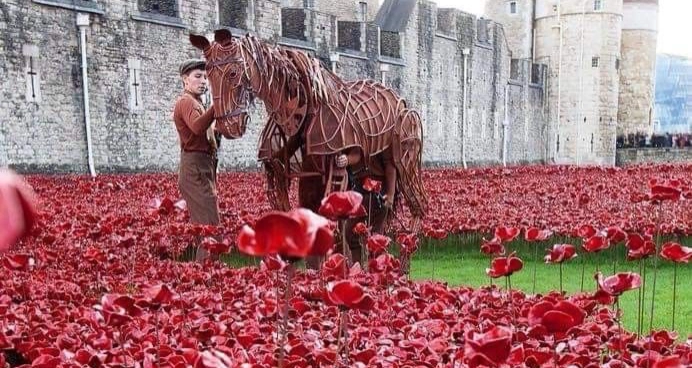
Past and future meet on this date, reminding us that while we must never forget the tragedies of history, we must also believe in the power of human innovation and goodwill.
Close